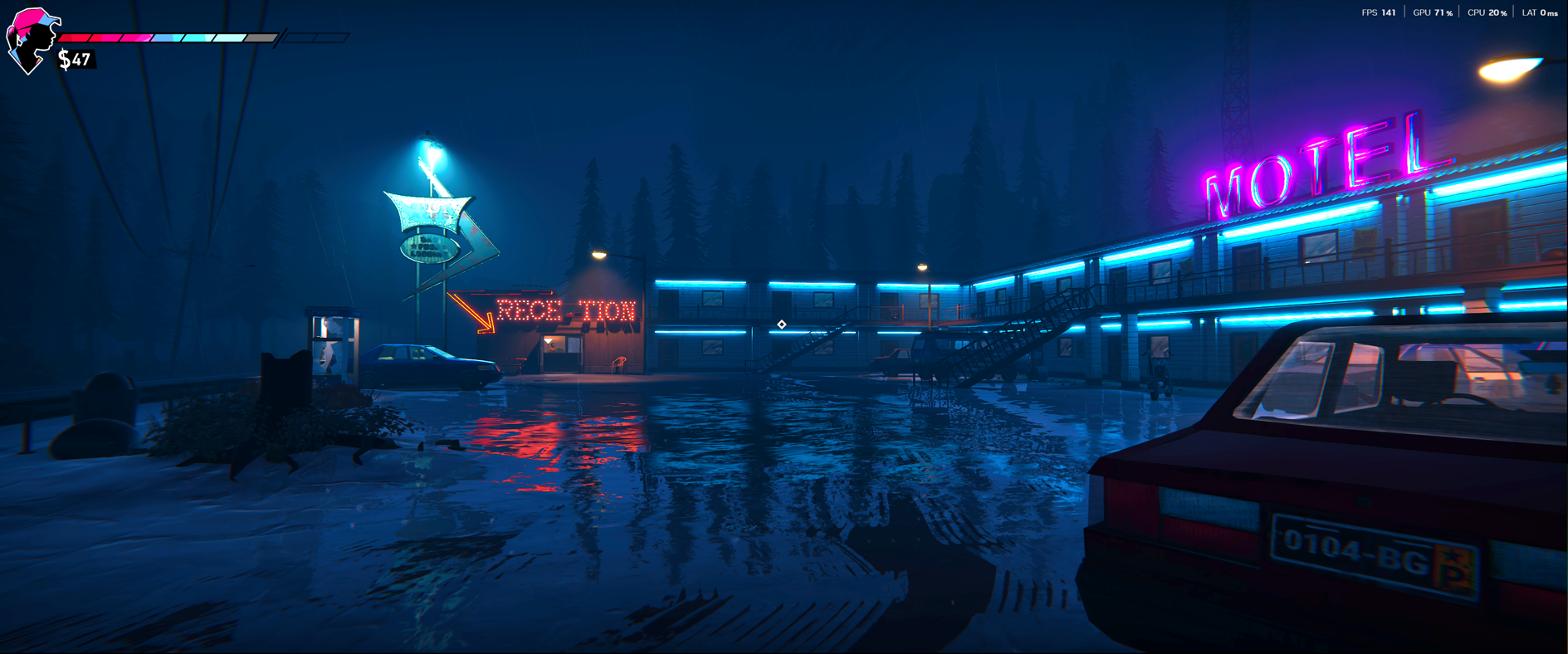
Road 96 was leaving Game Pass, so I decided to give it a try. It was an amazing experience that I’m mad I did not try earlier. Road 96 is a narrative-driven adventure where mechanics, choices, and art style intertwine to reflect political realities, making it both a game and a commentary.
Road 96 Game Mechanics
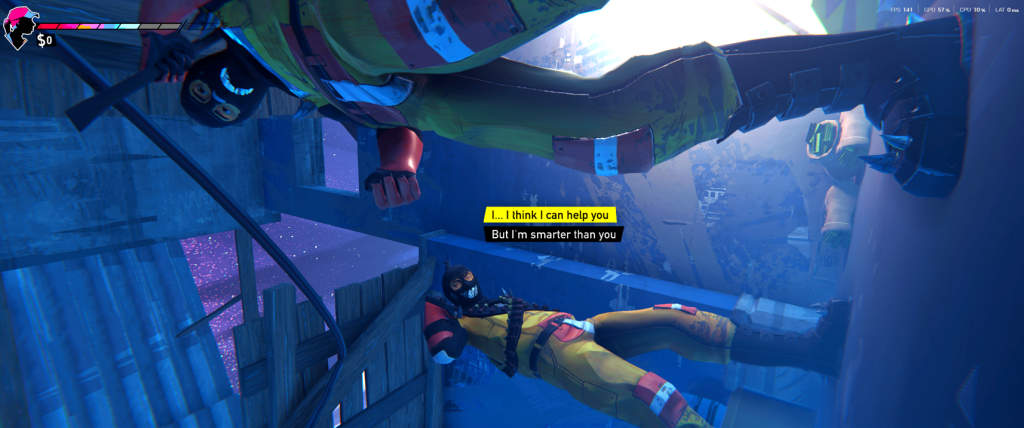
Road 96 blends procedural storytelling with adventure gameplay. Each run casts you as a runaway teenager trying to cross the border of Petria, a fictional authoritarian state. Each teen has differing levels of money, energy and miles from the border.
The mechanics emphasize:
- Survival elements: managing stamina, money, and resources while traveling.
- Mini-games: hacking, lockpicking, driving, and rhythm-based challenges add variety.
- Procedural encounters: no two journeys are identical, with randomized events and character interactions shaping the road ahead.
Choices that Matter for the Ending and Main Characters
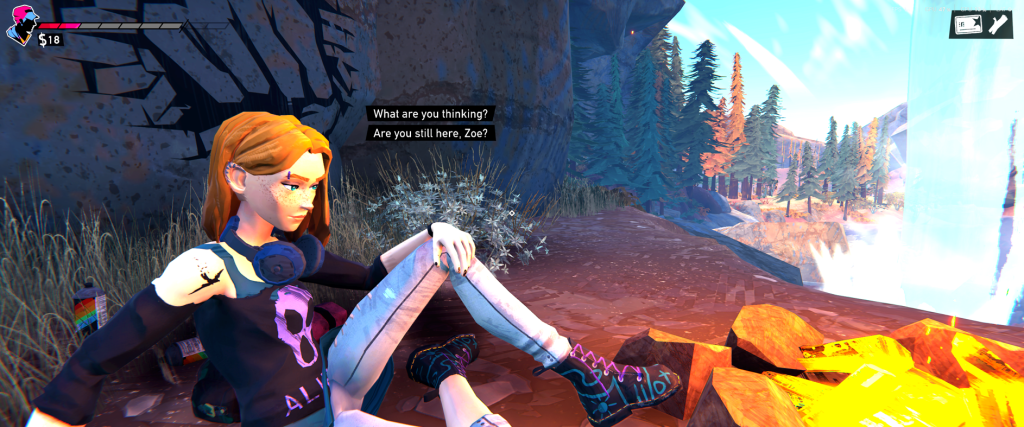
Choices are the backbone of Road 96. Every decision ripples outward:
- Immediate consequences: deciding whether to hitchhike, steal, or help strangers affects survival and events you see that run.
- Political impact: your actions influence the broader election outcome in Petria, determining whether the dictatorship endures or collapses. Votes versus violence.
- Replayability: multiple endings encourage experimentation, as subtle decisions accumulate into major shifts in narrative tone and outcome.
Road 96 Art Style
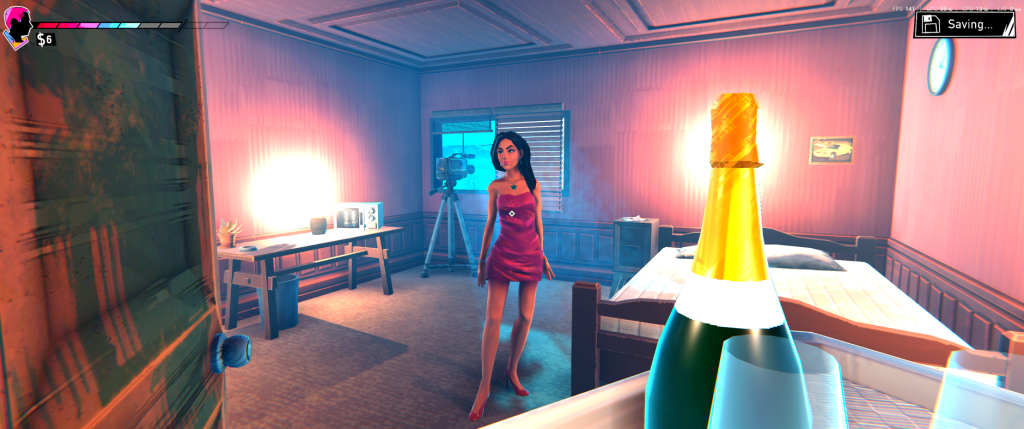
The game’s art style is a stylized, painterly take on 1990s Americana, evoking Route 66 imagery while contrasting with Petria’s oppressive atmosphere. Its visuals balance:
- Bright landscapes: deserts, highways, and neon-lit motels create a sense of freedom.
- Cartoon realism: characters are expressive but not hyper-realistic, reinforcing the surreal, dreamlike quality of the journey.
- Nostalgia: the summer of 1996 setting taps into cultural memory, blending youthful rebellion with political unease.
Comparison to Current Politics
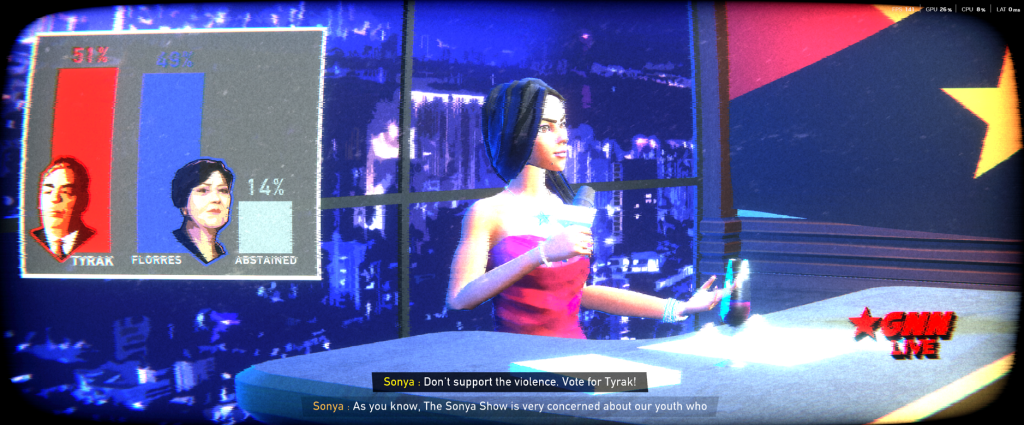
Road 96 resonates with contemporary politics by mirroring themes of border control, authoritarianism, and youth activism:
- Border politics: The game’s central mechanic—crossing into freedom—echoes real-world debates about immigration and border security.
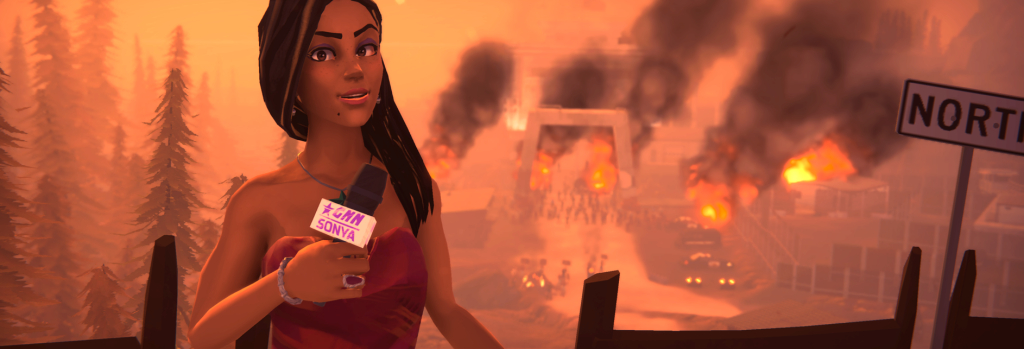
- Corruption and unrest: Petria’s dictatorship reflects concerns about government overreach, censorship, and manipulation of elections, issues that remain relevant globally.
- Youth voices: Just as young players in Road 96 shape the future through choices, real-world politics increasingly highlight the role of younger generations in activism, climate policy, and democratic reform.
Mirroring Current Events without Sacrificing Fun
- Simplification: Road 96 condenses complex political realities into binary choices, which can oversimplify nuanced issues.
- Replayability vs. realism: While multiple endings encourage exploration, real-world politics rarely offer such clear branching paths.
- Emotional impact: The game’s stylized art softens harsh realities, but its themes—corruption, oppression, and escape—remain sobering.
In essence, Road 96 is more than a game—it’s a mirror. Its mechanics and art style invite players to reflect on freedom, corruption, and the power of choice, drawing sharp parallels to ongoing political debates worldwide.