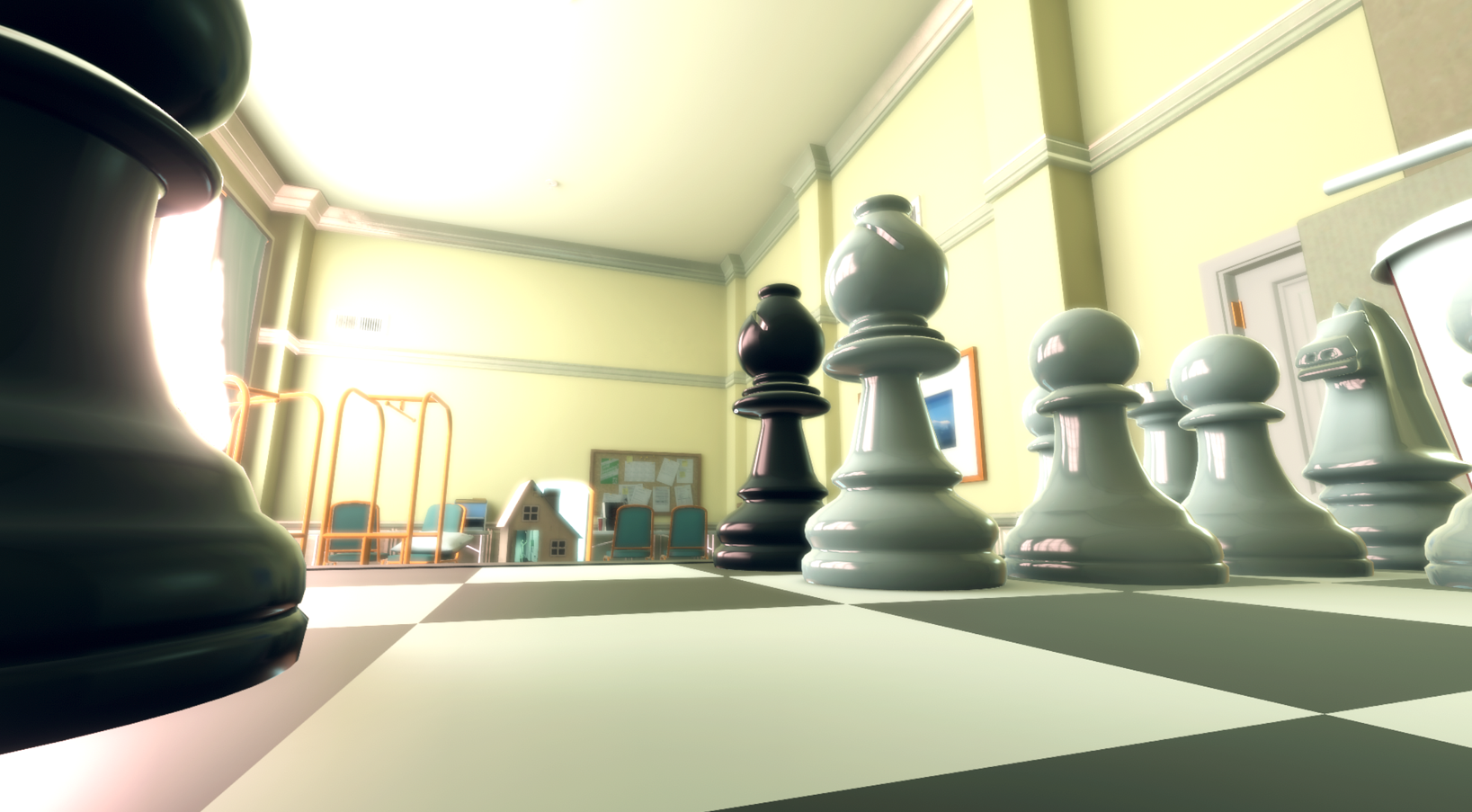
Superliminal isn’t just a puzzle game. It’s a psychological sleight‑of‑hand trick disguised as one. Pillow Castle Games built something that doesn’t simply challenge your problem‑solving skills—it challenges the way you see reality itself. And if you’re the kind of player who loves when a game messes with your head in the best possible way, this one hits like a lucid dream you’re not entirely sure you woke up from. Right now, it’s also on Game Pass.
Perspective as a Weapon, a Tool, and a Lie
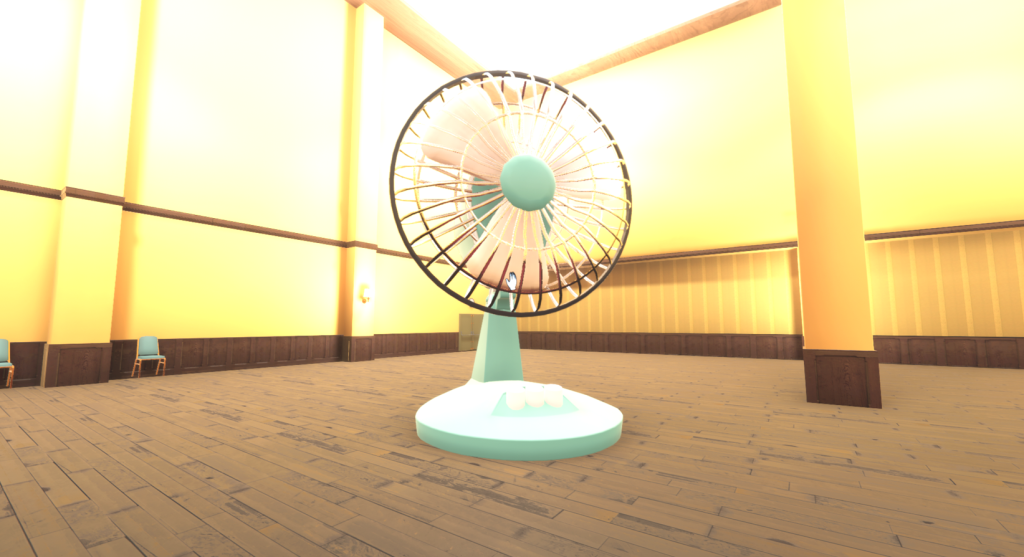
Most puzzle games give you rules. Superliminal gives you assumptions—and then breaks them.
The core mechanic is deceptively simple: objects change size based on how you perceive them. Pick up a tiny chess piece, hold it toward the far wall, drop it, and suddenly it’s the size of a car. Or shrink a massive soda can by placing it near your feet. The game constantly asks: What if the world isn’t fixed? What if everything depends on how you look at it?
It’s the closest gaming has come to turning optical illusions into a physics engine.
Every room becomes a test of your ability to unlearn. You stop asking “What does the game want me to do?” and start asking “What am I assuming that might be wrong?” That shift is the real puzzle. The mechanics are clever, but the mindset they force you into—that’s where the magic happens.
A Psychological Playground Wrapped in a Dream
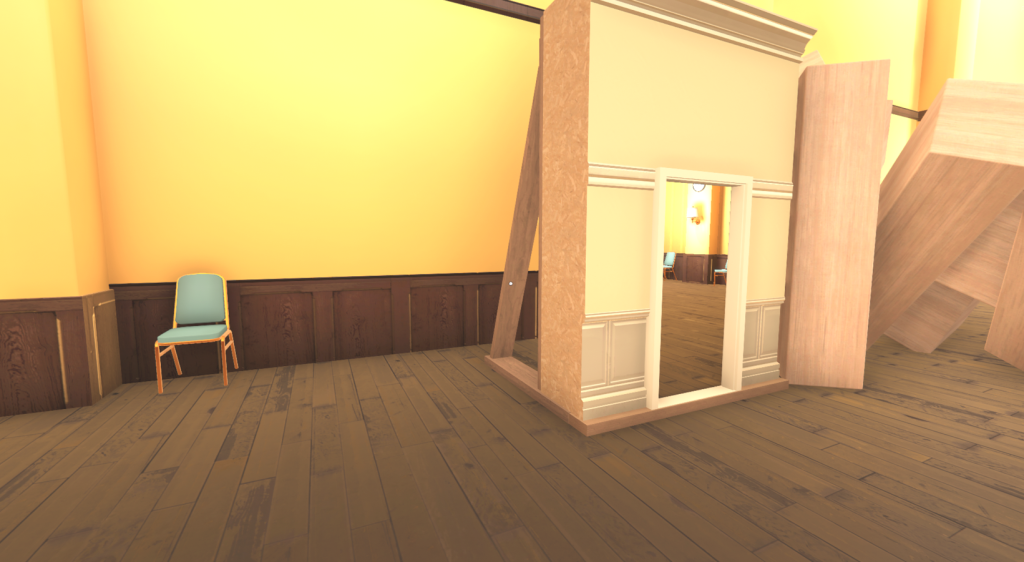
The game’s dream‑therapy framing isn’t just a narrative excuse. It’s the thematic backbone.
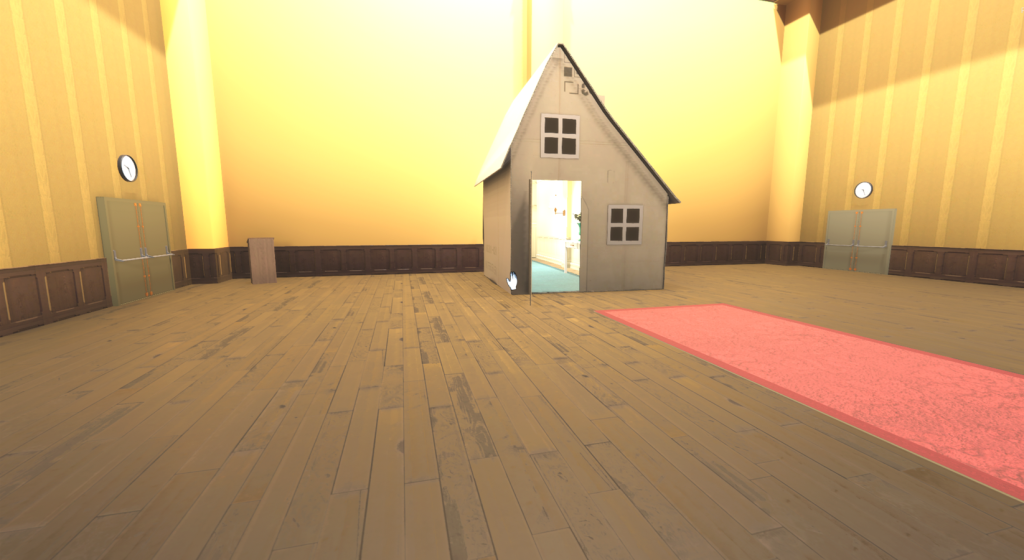
You’re inside the Somnasculpt Dream Therapy Program, a surreal self‑help experiment that feels like a mashup of Portal’s Aperture Science and a mindfulness retreat gone off the rails. The deeper you go, the more the dream logic unravels. Hallways loop. Rooms contradict themselves. Reality glitches in ways that feel playful at first, then quietly unsettling.
The game isn’t trying to scare you—it’s trying to destabilize you.
And that’s the point. Superliminal uses its dreamlike structure to explore how rigid our thinking becomes in everyday life. The puzzles aren’t just puzzles; they’re metaphors for mental blocks, assumptions, and the invisible rules we impose on ourselves.
By the time the game starts breaking its own mechanics—objects that don’t behave, spaces that fold in impossible ways—you’re not just solving puzzles. You’re confronting the limits of your own perception.
The Real Twist: The Game Is About You
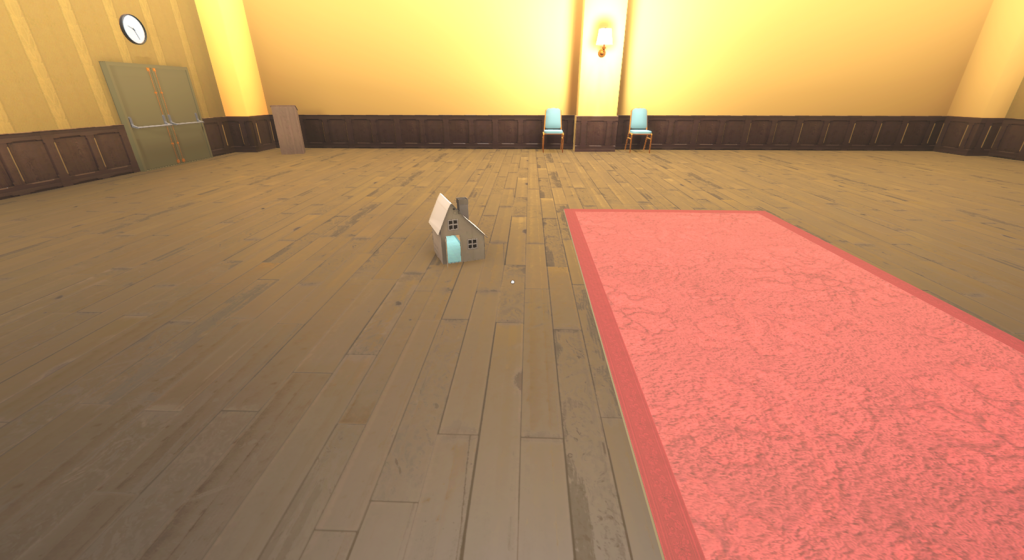
The final message of Superliminal lands with surprising emotional weight. It’s not about escaping the dream. It’s about recognizing that the same mental flexibility you used to solve these impossible rooms is something you can use in your real life.
It’s a rare moment where a game looks you in the eye and says:
“You’re capable of more than you think—if you’re willing to change how you see things.”
And because you’ve just spent hours literally reshaping reality with perspective alone, the message hits harder than any motivational poster ever could.
Why Superliminal Sticks With You
It’s short. It’s strange. It’s clever. But more than anything, it’s memorable.
- It makes you feel smart without making you feel manipulated.
- It surprises you without cheap tricks.
- It challenges your brain, not your reflexes.
- And it leaves you thinking long after the credits roll.
Superliminal is the kind of game you finish and immediately want someone else to play so you can watch their brain break in real time.