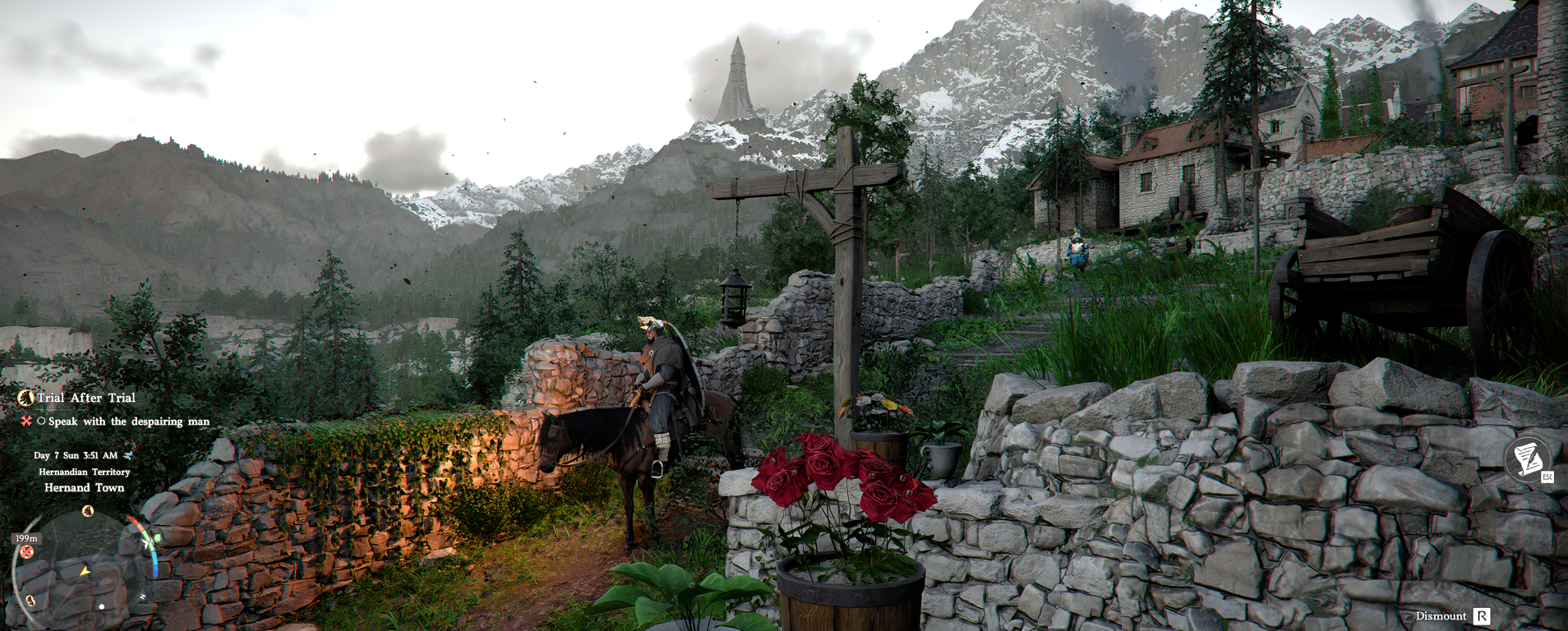
When Crimson Desert first burst onto the scene, it felt like the second coming of open‑world RPGs. Pearl Abyss dropped trailers that looked like CGI reels masquerading as gameplay. People were convinced it couldn’t possibly run on real hardware.
The promise was intoxicating: a gritty fantasy world, physics‑driven combat, cinematic set pieces, and a level of visual fidelity that made even next‑gen hardware sweat. It was the kind of hype cycle that turns a game into a cultural moment before it even launches.
And then release day happened. Mixed reviews and yet I couldn’t resist buying it on Steam after finishing Final Fantasy (a big graphical difference lol).
The Mixed Reviews, the Messy Launch, and the Internet Dogpile
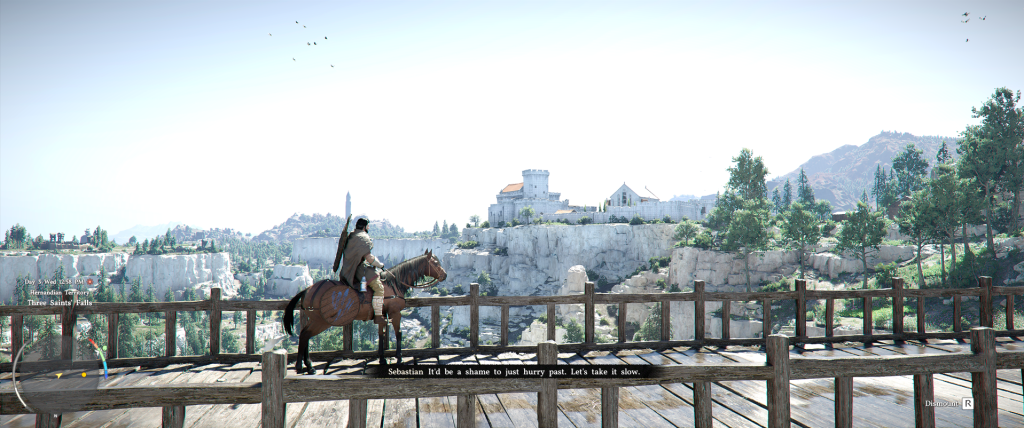
The moment players got their hands on it, the discourse split like a cracked shield. Some reviewers praised its ambition; others called it a beautiful disaster. The criticisms came fast:
- Inconsistent performance on both PC and consoles
- Janky animations that clashed with the otherwise pristine visuals
- A chaotic identity crisis—is it an RPG, an action game, a sandbox, a cinematic adventure, or all of the above
- Overwhelming systems that sometimes felt like they were competing for attention rather than working together
It became one of those games where two people could play for ten hours and walk away with completely different impressions. They’d both be right. The memes wrote themselves. The hot takes were volcanic. The hype bubble didn’t burst—it exploded.
But here’s the twist: once the dust settled, players who stuck with it discovered something wild. Beneath the noise, Crimson Desert is one of the most content‑rich, visually stunning, mechanically inventive games in years. Many claimed it took 10 to 20 hrs to hook you, but it took me an hour.
Crimson Desert’s World Stuffed With Content—Almost to a Fault
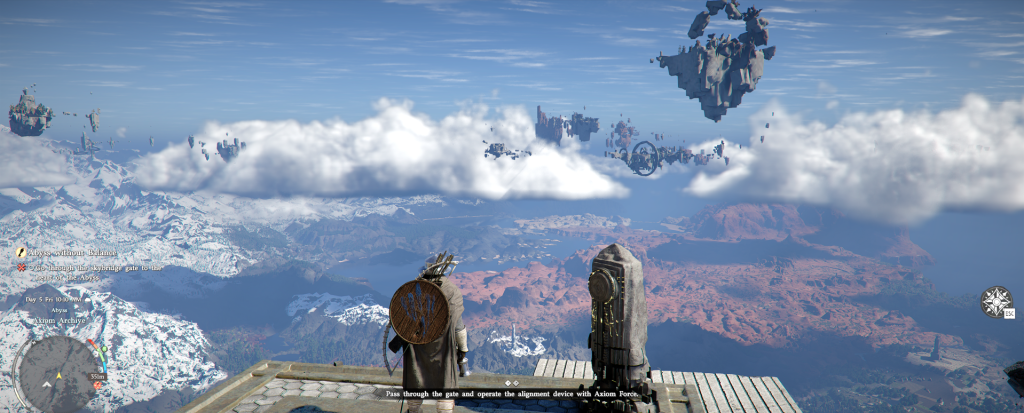
If there’s one thing Pearl Abyss doesn’t do, it’s “small.” Crimson Desert is packed to the rafters with things to do, see, break, ride, punch, or accidentally launch into the stratosphere.
Crimson Desert, A Living, Chaotic Sandbox
You can:
- Wrestle bears
- Launch enemies into the air with physics‑driven combos
- Grab people and throw them off cliffs
- Ride horses, wagons, and even cling to flying creatures
- Break into armories
- Start bar fights
- Join massive siege battles that feel like playable cinematics
It’s a game where emergent chaos is the point. If something looks like it might be interactable, it probably is—and it probably reacts in a way that makes you laugh.
Abilities and Combat That Feel Like a Fantasy Action Movie
Combat is where the game flexes hardest. You’re not just swinging a sword—you’re:
- Switching between weapons mid‑combo
- Using grapples to yank enemies off horses
- Performing wrestling‑style takedowns
- Triggering cinematic finishers
- Mixing magic, melee, and ranged attacks seamlessly
It’s messy, yes, but it’s also exhilarating. The game wants you to feel like a one‑man army, and it absolutely succeeds.
Crimson Desert Graphics That Border on Unreal
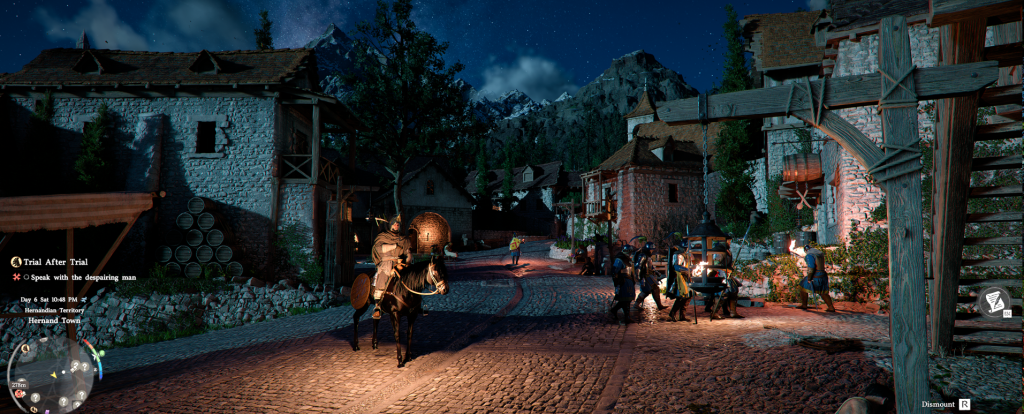
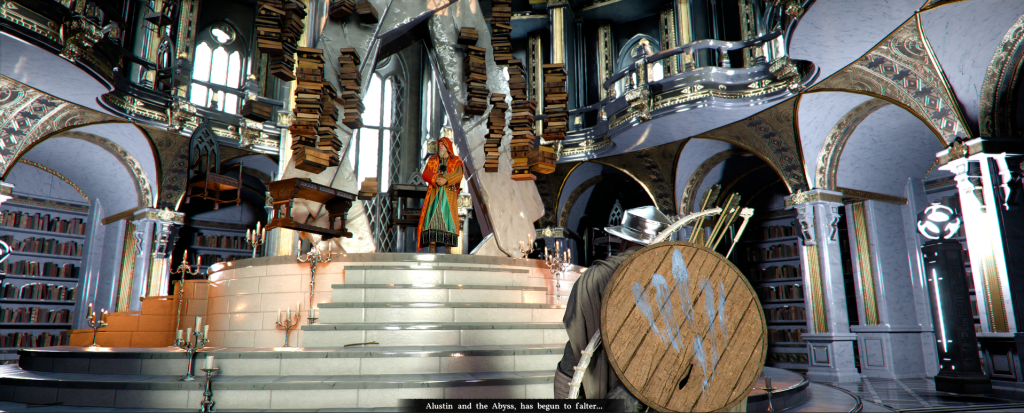
Say what you want about the game’s quirks—Crimson Desert is jaw‑dropping. The lighting, the character models, the environmental detail, the weather systems… it’s the kind of game where you stop mid‑quest just to stare at the horizon.
Pearl Abyss’s proprietary engine is doing things that feel borderline illegal on current hardware. Textures are crisp, animations are dense, and the world feels handcrafted even when it’s sprawling. It leverages all the Nvidia Ray Tracing and DLSS magic.
A Soundtrack That Elevates Everything
The music is cinematic in the best way. Sweeping orchestral themes, quiet ambient tracks, tense battle cues—it all works together to make the world feel alive. Even when the gameplay gets chaotic, the soundtrack grounds the experience emotionally. I still love the load in music when starting the game again.
A Game That’s Overstuffed, Overambitious, and Overwhelming—in the Best Possible Way
Crimson Desert is not a polished, perfectly tuned RPG. It’s not trying to be. It’s a maximalist fever dream of ideas, systems, and set pieces thrown together with reckless enthusiasm. It’s the kind of game where you can feel the ambition leaking out of every corner.
And that’s exactly why it works.
For all its rough edges, it delivers:
- Dozens of hours of content
- A massive world
- A unique combat system
- Stunning visuals
- A memorable soundtrack
- A sense of adventure that few modern games capture
It’s messy, but it’s alive. It’s chaotic, but it’s fun. It’s flawed, but it’s worth playing.
So Is It Worth $70? Absolutely.
If you want a perfectly polished, tightly controlled experience, this isn’t that. But if you want a game that swings for the fences—one that gives you more content, more spectacle, more systems, and more sheer stuff than almost anything else on the market—Crimson Desert earns its price tag.
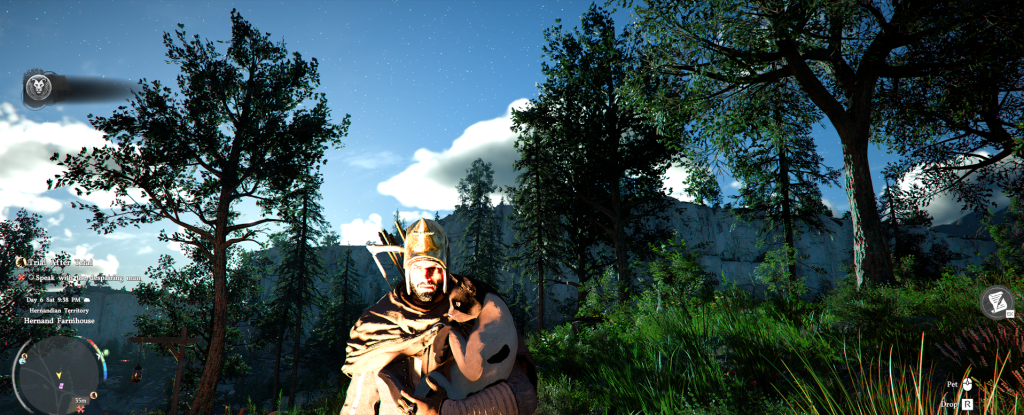
It’s a game that reminds you why ambition matters. Why weird, bold ideas matter. Why games that take risks—even messy ones—are worth celebrating. You can have multiple pets! Some of the best parts of Crimson Desert will blow you past the Steam refund window, but it’s worth the risk.
And honestly? In a world of safe, predictable AAA releases, a beautiful, chaotic monster like Crimson Desert feels like a breath of fresh air.